
How Does Collagen Loss Cause Fine Lines and Sagging Skin?
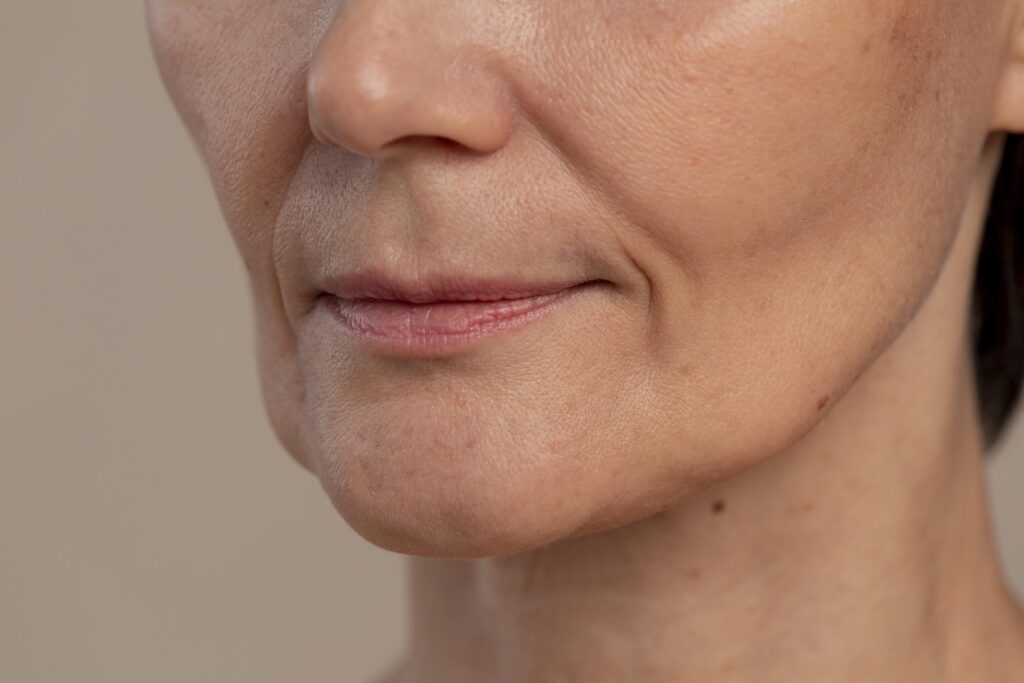
Understanding Collagen: The Skin’s Structural Protein
Collagen is a crucial protein that serves as a building block for the skin, providing it with structure and strength. It is the most abundant protein in the human body, making up about 75% of the skin’s dry weight. Collagen is composed of amino acids, which form long chains that bundle together to create a fibrous network. This network supports the skin and helps maintain its firmness and elasticity.
In addition to its structural role, collagen is essential for the skin’s ability to repair itself. When the skin is damaged, collagen production accelerates to help heal wounds and regenerate new skin cells. This regenerative property is vital for maintaining a youthful complexion. As we age, however, the body’s ability to produce collagen diminishes, leading to various changes in the skin’s appearance and texture.
Understanding the importance of collagen in skin health is the first step in addressing the signs of aging. By recognizing how this protein functions and what factors influence its production, individuals can take proactive measures to preserve their skin’s youthful look and feel.
The Role of Collagen in Skin Elasticity and Firmness
Collagen plays a pivotal role in maintaining the skin’s elasticity and firmness. Its fibrous structure provides the skin with the necessary resilience to stretch and return to its original shape. This elasticity is crucial for preventing the formation of fine lines and wrinkles, as it allows the skin to withstand various expressions and movements without permanent creases.
Moreover, collagen contributes to the overall firmness of the skin by creating a dense network of fibers that support its structure. This network helps keep the skin taut and prevents sagging, which is often associated with aging. When collagen levels are high, the skin appears plump and youthful, with a smooth texture and even tone.
However, as collagen production declines with age, the skin loses its ability to bounce back from stretching and becomes more prone to sagging and wrinkling. This loss of elasticity and firmness is a natural part of the aging process, but it can be exacerbated by various external factors, such as sun exposure and environmental pollutants. By understanding the role of collagen in skin health, individuals can take steps to protect and enhance their collagen levels, thereby maintaining a more youthful appearance.
What Causes Collagen Loss?
Several factors contribute to the decline in collagen production, leading to the visible signs of aging. One of the primary causes is the natural aging process itself. As we age, the body’s ability to produce collagen slows down, and the existing collagen fibers begin to break down. This reduction in collagen production typically starts in the mid-20s and accelerates in the following decades.
Genetics also play a significant role in collagen loss. Some individuals are genetically predisposed to produce less collagen or to break it down more quickly. This genetic predisposition can result in earlier and more pronounced signs of aging, such as fine lines, wrinkles, and sagging skin.
Hormonal changes, particularly those associated with menopause, can also affect collagen production. The decrease in estrogen levels during menopause can lead to a significant drop in collagen synthesis, resulting in thinner, less elastic skin. Additionally, certain medical conditions and medications can interfere with the body’s ability to produce collagen, further contributing to its decline.
The Impact of Aging on Collagen Production
Aging has a profound impact on collagen production and the overall health of the skin. As we age, the fibroblasts, which are the cells responsible for producing collagen, become less active. This decline in fibroblast activity leads to a decrease in collagen synthesis, resulting in thinner and less resilient skin.
Furthermore, the existing collagen fibers in the skin begin to deteriorate with age. This breakdown of collagen is due to the cumulative effects of environmental damage, such as UV radiation and pollution, as well as the natural wear and tear that occurs over time. As the collagen network becomes fragmented, the skin loses its structural integrity, leading to sagging and the formation of fine lines and wrinkles.
In addition to the decline in collagen production, aging also affects other components of the skin, such as elastin and hyaluronic acid. Elastin provides the skin with its elasticity, while hyaluronic acid helps retain moisture. The combined decline in these elements further exacerbates the signs of aging, making the skin appear dull, dry, and less firm.
Environmental Factors Contributing to Collagen Depletion
Environmental factors play a significant role in the depletion of collagen and the acceleration of skin aging. One of the most damaging environmental factors is exposure to ultraviolet (UV) radiation from the sun. UV radiation penetrates the skin and damages the collagen fibers, leading to their breakdown and the formation of free radicals. These free radicals cause oxidative stress, which further degrades collagen and other essential proteins in the skin.
Pollution is another environmental factor that contributes to collagen depletion. Airborne pollutants, such as particulate matter and toxins, can penetrate the skin and cause inflammation and oxidative stress. This damage accelerates the breakdown of collagen and impairs the skin’s ability to repair itself. Over time, exposure to pollution can lead to premature aging, characterized by fine lines, wrinkles, and sagging skin.
Lifestyle choices, such as smoking and poor diet, can also impact collagen levels. Smoking introduces harmful chemicals into the body that damage collagen and reduce its production. A diet lacking in essential nutrients, such as vitamin C, which is crucial for collagen synthesis, can further hinder the skin’s ability to produce and maintain healthy collagen levels. By addressing these environmental factors and making healthier lifestyle choices, individuals can help preserve their collagen levels and maintain youthful skin.
How Collagen Loss Leads to Fine Lines and Wrinkles
The loss of collagen is one of the primary reasons why fine lines and wrinkles develop as we age. Collagen provides the skin with the structural support it needs to remain smooth and firm. When collagen levels are high, the skin appears plump and resilient, with a smooth surface that resists the formation of lines and creases.
As collagen production declines, the skin loses its ability to maintain this smooth and firm appearance. The reduction in collagen results in a weaker structural network, causing the skin to become thinner and less elastic. This thinning makes the skin more susceptible to the effects of repeated facial expressions, such as smiling, frowning, and squinting. Over time, these expressions create permanent lines and wrinkles on the skin’s surface.
Additionally, the breakdown of collagen fibers leads to the formation of gaps and irregularities in the skin’s structure. These gaps contribute to the uneven texture of aged skin and the appearance of fine lines. The cumulative effect of collagen loss is a visible reduction in skin smoothness and an increase in the number and depth of wrinkles. By understanding the relationship between collagen and skin aging, individuals can take steps to protect and enhance their collagen levels, thereby minimizing the appearance of fine lines and wrinkles.
The Connection Between Collagen and Skin Sagging
Skin sagging is another common sign of aging that is closely linked to collagen loss. Collagen provides the skin with the structural support it needs to remain firm and lifted. When collagen levels are high, the skin maintains its shape and resists the effects of gravity.
However, as collagen production declines with age, the skin’s structural integrity is compromised. The breakdown of collagen fibers weakens the skin’s support network, causing it to lose its firmness and elasticity. This loss of support leads to the sagging of the skin, particularly in areas such as the cheeks, jawline, and neck.
In addition to the natural aging process, external factors such as sun exposure and pollution can accelerate collagen breakdown, further contributing to skin sagging. The cumulative effect of these factors results in a noticeable loss of skin firmness and the development of jowls and drooping skin. By addressing collagen loss and taking steps to protect and enhance collagen production, individuals can help prevent and reduce the appearance of sagging skin.
Signs of Collagen Loss: What to Look For
Recognizing the signs of collagen loss is important for taking proactive steps to maintain youthful skin. Some of the most common signs of collagen loss include the development of fine lines and wrinkles, particularly around the eyes, mouth, and forehead. These lines are often the first visible indicators of aging and can become more pronounced over time.
Another sign of collagen loss is a noticeable decrease in skin firmness and elasticity. The skin may feel less resilient and more prone to sagging, particularly in areas such as the cheeks, jawline, and neck. This loss of firmness can result in a less defined facial contour and the appearance of jowls.
Other signs of collagen loss include a dull and uneven skin tone, as well as an increase in the visibility of pores. The skin may also become thinner and more fragile, making it more susceptible to damage and slower to heal. By identifying these signs early, individuals can take steps to address collagen loss and maintain a youthful complexion.
Ways to Boost Collagen Production Naturally
There are several natural ways to boost collagen production and maintain healthy, youthful skin. One of the most effective methods is to follow a nutrient-rich diet that supports collagen synthesis. Foods high in vitamin C, such as citrus fruits, berries, and leafy greens, are essential for collagen production. Additionally, foods rich in amino acids, such as lean meats, fish, and legumes, provide the building blocks needed for collagen synthesis.
Topical treatments can also help enhance collagen production. Products containing ingredients such as retinoids, peptides, and vitamin C can stimulate collagen synthesis and improve the skin’s overall texture and firmness. Regular use of these products can help reduce the appearance of fine lines and wrinkles and promote a more youthful complexion.
Lifestyle choices, such as avoiding excessive sun exposure and quitting smoking, can also have a positive impact on collagen levels. Using sunscreen daily and wearing protective clothing can help prevent UV damage, while quitting smoking can reduce the harmful effects of tobacco on collagen production. Additionally, staying hydrated and getting adequate sleep are important for maintaining healthy skin and supporting collagen synthesis. By incorporating these natural methods into their skincare routine, individuals can help preserve their collagen levels and maintain a youthful appearance.
Conclusion: Maintaining Youthful Skin Through Collagen Health
Maintaining youthful skin through collagen health requires a comprehensive approach that addresses both internal and external factors. Understanding the role of collagen in skin health and recognizing the signs of collagen loss are the first steps in taking proactive measures to preserve and enhance collagen levels.
By following a nutrient-rich diet, using topical treatments that stimulate collagen production, and making healthy lifestyle choices, individuals can support their skin’s natural ability to produce and maintain collagen. Additionally, protecting the skin from environmental damage, such as UV radiation and pollution, is crucial for preventing the accelerated breakdown of collagen.
Ultimately, maintaining youthful skin is an ongoing process that requires consistent effort and attention. By prioritizing collagen health and adopting a holistic approach to skincare, individuals can enjoy a smoother, firmer, and more radiant complexion for years to come.
 English
 Chinese (Simplified)
 Japanese
 Khmer
 Korean
 Malay
 Myanmar (Burmese)
 Thai
 Vietnamese