
What Causes Crow's Feet?
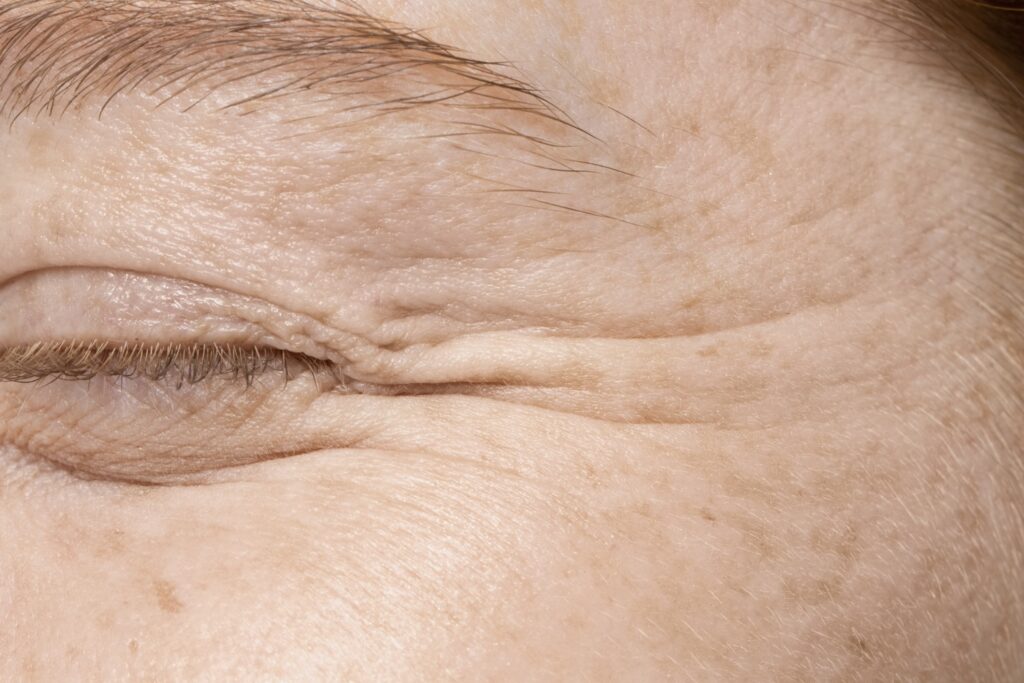
Understanding Crow’s Feet: Definition and Appearance
Crow’s feet, also known as laugh lines or character lines, are fine lines and wrinkles that radiate from the outer corners of the eyes. They are one of the earliest signs of aging and can be a source of concern for many people. These lines are typically more noticeable when a person smiles or squints, but over time, they can become more permanent fixtures on the face even when at rest. Crow’s feet are often seen as a natural part of the aging process, but their appearance can be influenced by various factors.
The term “crow’s feet” is derived from the resemblance of these lines to the footprint of a bird, specifically a crow. They usually start as faint lines and gradually deepen with age. Crow’s feet can vary in length and depth from one person to another, and their prominence can be affected by factors such as skin type, genetics, and lifestyle choices. While some people embrace these lines as a sign of a life well-lived, others seek ways to prevent or reduce their appearance.
Understanding the nature of crow’s feet is the first step in addressing them. By recognizing what they are and how they form, individuals can make informed decisions about prevention and treatment. This article will delve into the anatomy of the skin around the eyes, the factors contributing to crow’s feet, and the available options for managing these lines.
The Anatomy of the Skin Around the Eyes
The skin around the eyes is unique compared to other areas of the face and body. It is significantly thinner and more delicate, making it more susceptible to damage and the formation of wrinkles. This thinness is due to the lower density of collagen and elastin fibers, which provide structural support and elasticity to the skin. Additionally, the skin around the eyes has fewer sebaceous (oil) glands, which means it is more prone to dryness and dehydration.
Beneath the surface, the muscles surrounding the eyes play a crucial role in facial expressions. The orbicularis oculi muscle, for instance, is responsible for closing the eyelids and contributes to movements like blinking, squinting, and smiling. Repeated contractions of this muscle over time can lead to the formation of dynamic wrinkles, which are lines that appear due to muscle movements. As the skin loses elasticity with age, these dynamic wrinkles can become static, meaning they are visible even when the face is at rest.
The periorbital area, which includes the skin around the eyes, is also rich in blood vessels and lymphatic channels. This vascular network is essential for maintaining skin health and facilitating the removal of toxins and waste products. However, it also means that the area is prone to puffiness and dark circles, which can exacerbate the appearance of crow’s feet. Understanding the anatomy of this delicate region is crucial for developing effective prevention and treatment strategies for crow’s feet.
Key Factors Contributing to Crow’s Feet
Several factors contribute to the development of crow’s feet, ranging from intrinsic aging processes to external environmental influences. One of the primary factors is the natural decline in collagen and elastin production as we age. These proteins are essential for maintaining skin elasticity and firmness, and their reduction leads to the formation of wrinkles and fine lines. The gradual loss of subcutaneous fat also contributes to the thinning of the skin, making crow’s feet more pronounced.
Genetics also play a significant role in determining when and how crow’s feet will appear. Some people are genetically predisposed to develop wrinkles earlier or more prominently due to inherited skin characteristics. For instance, individuals with lighter skin tones are generally more susceptible to sun damage, which can accelerate the formation of crow’s feet. Similarly, genetic factors can influence the overall health and resilience of the skin, affecting its ability to withstand environmental stressors.
Lifestyle choices and habits are another critical factor. Smoking, for example, has been shown to significantly accelerate the aging process of the skin. The chemicals in cigarette smoke can degrade collagen and elastin fibers, leading to premature wrinkles. Additionally, repeated facial expressions and movements, such as squinting or smiling, can contribute to the formation of dynamic wrinkles around the eyes. Hydration levels, diet, and overall skincare routines also play a crucial role in maintaining the health and appearance of the skin.
The Role of Aging in Crow’s Feet Development
Aging is an inevitable process that affects all aspects of the body, including the skin. As we age, our skin undergoes several changes that contribute to the formation of crow’s feet. One of the most significant changes is the decrease in collagen and elastin production. Collagen provides structural support to the skin, while elastin allows it to stretch and return to its original shape. The reduction of these proteins leads to a loss of elasticity and firmness, making the skin more prone to wrinkles and fine lines.
Another age-related change is the decrease in the skin’s natural hydration levels. The production of hyaluronic acid, a substance that helps retain moisture in the skin, declines with age. This reduction results in drier, less plump skin, which is more susceptible to the formation of crow’s feet. Additionally, the skin’s ability to repair itself diminishes over time. The turnover rate of skin cells slows down, leading to a buildup of dead skin cells on the surface. This buildup can make wrinkles more visible and the skin appear dull and uneven.
The subcutaneous fat layer, which provides cushioning and support to the skin, also thins with age. This thinning can make the skin around the eyes appear hollow and accentuate the appearance of crow’s feet. Furthermore, the muscles responsible for facial expressions can become more rigid with age, leading to deeper dynamic wrinkles. Understanding the role of aging in the development of crow’s feet is essential for developing effective prevention and treatment strategies.
Environmental Influences: Sun Damage and Pollution
Environmental factors, particularly sun exposure and pollution, play a significant role in the formation of crow’s feet. Ultraviolet (UV) radiation from the sun is one of the primary causes of premature skin aging, a process known as photoaging. UV rays can penetrate the skin and damage the DNA within skin cells, leading to the breakdown of collagen and elastin fibers. This breakdown results in a loss of skin elasticity and the formation of wrinkles and fine lines, including crow’s feet.
Sun exposure can also lead to the formation of free radicals, unstable molecules that can cause oxidative stress and damage to skin cells. Over time, this oxidative stress can accelerate the aging process and contribute to the development of crow’s feet. It is important to note that sun damage can occur even on cloudy days or through windows, making it essential to protect the skin from UV radiation year-round. Wearing broad-spectrum sunscreen, sunglasses, and protective clothing can help mitigate the harmful effects of the sun.
Pollution is another environmental factor that can contribute to the formation of crow’s feet. Airborne pollutants such as particulate matter, heavy metals, and chemicals can penetrate the skin and cause oxidative stress, inflammation, and damage to skin cells. This damage can accelerate the aging process and lead to the formation of wrinkles and fine lines. Additionally, pollution can weaken the skin’s natural barrier function, making it more susceptible to dryness and irritation. Protecting the skin from environmental pollutants through proper skincare and lifestyle choices is essential for maintaining healthy, youthful-looking skin.
Lifestyle Choices: Smoking, Diet, and Hydration
Lifestyle choices have a profound impact on the health and appearance of the skin, including the development of crow’s feet. Smoking is one of the most detrimental habits for skin health. The chemicals in cigarette smoke can constrict blood vessels, reducing blood flow and oxygen delivery to the skin. This reduced blood flow impairs the skin’s ability to repair itself and accelerates the breakdown of collagen and elastin fibers. As a result, smokers often experience premature wrinkles and fine lines, including crow’s feet.
Diet also plays a crucial role in maintaining skin health. A diet rich in antioxidants, vitamins, and minerals can help protect the skin from oxidative stress and support collagen production. Foods such as fruits, vegetables, nuts, and seeds are excellent sources of essential nutrients that promote healthy skin. On the other hand, a diet high in sugar and processed foods can contribute to the formation of advanced glycation end products (AGEs), which can damage collagen and elastin fibers and accelerate skin aging. Staying hydrated is equally important, as adequate hydration helps maintain the skin’s elasticity and plumpness, reducing the appearance of wrinkles and fine lines.
Another lifestyle factor to consider is sleep. Quality sleep is essential for overall health and skin rejuvenation. During sleep, the body repairs and regenerates skin cells, producing collagen and elastin. Lack of sleep can lead to increased stress levels, which can negatively impact skin health and accelerate the aging process. Managing stress through relaxation techniques, exercise, and a balanced lifestyle can help promote healthy, youthful-looking skin.
The Impact of Facial Expressions and Movements
Facial expressions and movements are an integral part of human communication and emotion. However, they can also contribute to the formation of crow’s feet. The skin around the eyes is constantly in motion due to expressions such as smiling, squinting, and frowning. Each time the muscles around the eyes contract, they create temporary lines on the skin’s surface. Over time, these repeated contractions can lead to the formation of permanent wrinkles, known as dynamic wrinkles.
Smiling, while a positive and natural expression, is one of the primary contributors to crow’s feet. When we smile, the orbicularis oculi muscle contracts, causing the skin around the eyes to fold and crease. Similarly, squinting, whether due to bright light, poor vision, or concentration, can also lead to the formation of fine lines around the eyes. The more frequently these expressions are made, the more pronounced the wrinkles become. It is important to note that these expressions are a natural part of life and should not be avoided entirely. Instead, focusing on prevention and skincare can help mitigate their impact.
Another factor to consider is the impact of eye strain. Prolonged use of digital devices, such as computers, smartphones, and tablets, can lead to eye strain and increased squinting. This can contribute to the formation of crow’s feet over time. Taking regular breaks, practicing good posture, and using blue light filters can help reduce eye strain and minimize the impact on the skin around the eyes. By being mindful of facial expressions and movements, individuals can take steps to prevent the premature formation of crow’s feet.
Preventive Measures: Skincare and Sun Protection
Prevention is key when it comes to managing the appearance of crow’s feet. A consistent and effective skincare routine can help maintain the health and resilience of the skin around the eyes. One of the most important steps in any skincare routine is cleansing. Using a gentle cleanser to remove makeup, dirt, and impurities can help keep the skin clean and prevent clogged pores. Following cleansing, applying a hydrating and nourishing eye cream can help maintain the skin’s moisture levels and provide essential nutrients.
Sun protection is also crucial in preventing crow’s feet. As previously mentioned, UV radiation is a significant contributor to premature skin aging. Wearing a broad-spectrum sunscreen with an SPF of at least 30 can help protect the skin from harmful UV rays. It is important to apply sunscreen not only to the face but also to the delicate skin around the eyes. Additionally, wearing sunglasses with UV protection can help reduce squinting and shield the eyes from direct sunlight.
Incorporating antioxidants into your skincare routine can also help prevent the formation of crow’s feet. Antioxidants, such as vitamin C, vitamin E, and green tea extract, can neutralize free radicals and protect the skin from oxidative stress. These ingredients can be found in serums, moisturizers, and eye creams. Additionally, using products that contain retinoids or peptides can help stimulate collagen production and improve the skin’s texture and firmness. By taking a proactive approach to skincare and sun protection, individuals can effectively prevent the premature formation of crow’s feet.
Treatment Options: From Home Remedies to Professional Procedures
When it comes to treating crow’s feet, there are various options available, ranging from home remedies to professional procedures. Home remedies can be a cost-effective and natural way to reduce the appearance of fine lines around the eyes. For example, applying aloe vera gel or cucumber slices to the skin can provide hydration and soothe irritation. Additionally, massaging the area with natural oils, such as coconut oil or almond oil, can help improve blood circulation and promote skin elasticity.
Over-the-counter skincare products can also be effective in treating crow’s feet. Look for products that contain ingredients such as retinoids, hyaluronic acid, peptides, and antioxidants. Retinoids can help stimulate collagen production and improve skin texture, while hyaluronic acid provides intense hydration. Peptides can help strengthen the skin’s structure, and antioxidants can protect the skin from environmental damage. Consistent use of these products can help reduce the appearance of crow’s feet over time.
For more significant concerns, professional procedures may be considered. Radiofrequency (RF) treatments are a non-injectable option that uses controlled radiofrequency energy to heat targeted layers of the skin. This controlled heating may stimulate collagen production and remodelling, helping to improve skin firmness, texture, and the appearance of fine lines such as crow’s feet. Other professional options, including laser treatments, chemical peels, and microdermabrasion, may also be used to address skin texture and fine lines. The most suitable treatment will depend on the individual’s skin condition, concerns, and treatment goals, and should be determined following an appropriate professional assessment.
Conclusion: Embracing Natural Aging and Skin Care Solutions
Crow’s feet are a common and natural part of the aging process. While they may be a source of concern for some, it is important to remember that they are a testament to a life filled with expressions, emotions, and experiences. Embracing the natural aging process and focusing on maintaining healthy, resilient skin can help individuals feel confident and comfortable in their own skin. By understanding the factors contributing to crow’s feet and taking proactive steps to prevent and treat them, individuals can achieve a youthful and radiant appearance.
A balanced approach to skincare, sun protection, and lifestyle choices can make a significant difference in the health and appearance of the skin around the eyes. Incorporating antioxidant-rich foods, staying hydrated, and practicing good sleep hygiene can support overall skin health. Additionally, using effective skincare products and seeking professional treatments when necessary can help manage the appearance of crow’s feet and promote a smooth, youthful complexion.
Ultimately, the goal is to embrace the natural aging process while taking steps to care for and protect the skin. By prioritizing self-care and making informed choices, individuals can enjoy healthy, youthful-looking skin at any age. Crow’s feet may be a natural part of aging, but with the right care and attention, they can be managed and minimized, allowing individuals to look and feel their best.
 English
 Chinese (Simplified)
 Japanese
 Khmer
 Korean
 Malay
 Myanmar (Burmese)
 Thai
 Vietnamese