
Can loose skin be fixed with radiofrequency treatments?
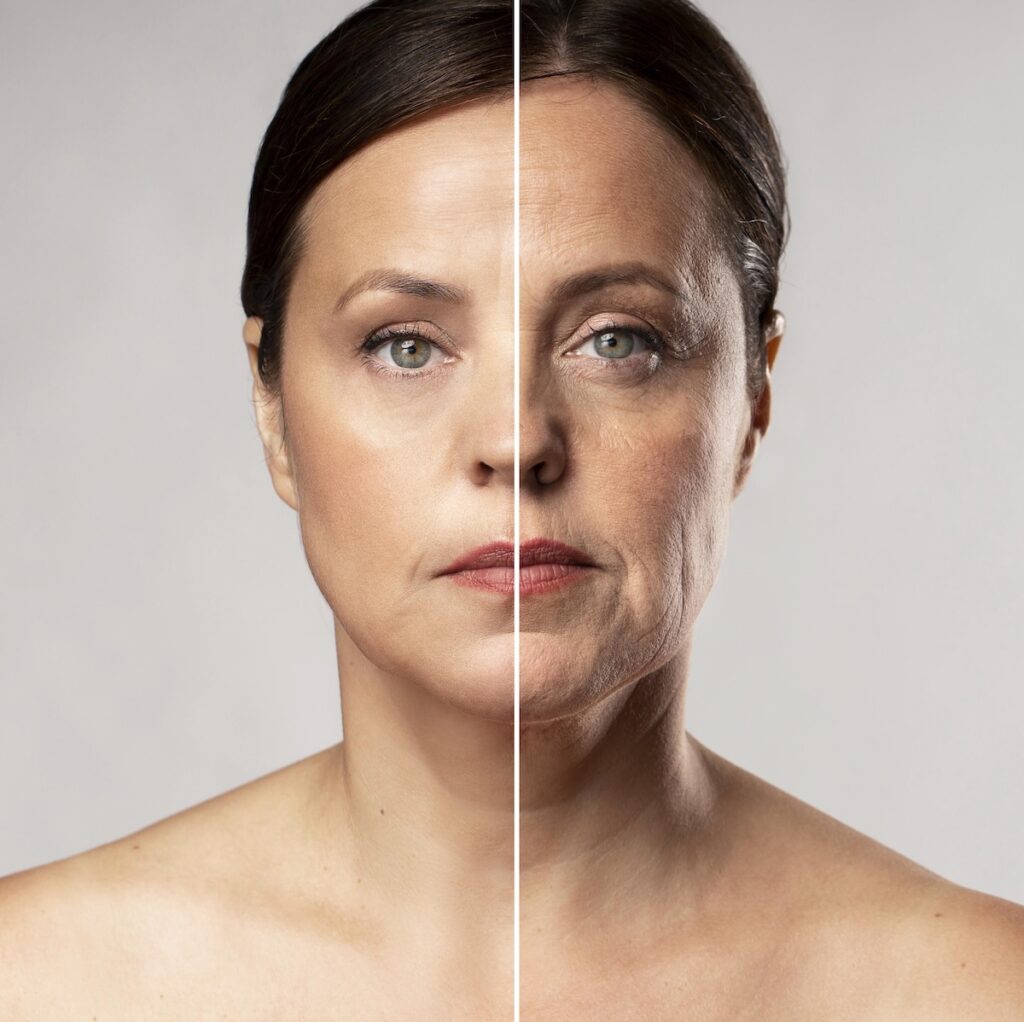
Understanding Loose Skin: Causes and Concerns
Loose skin is a common issue many individuals face, whether due to aging, significant weight loss, or other factors. As we age, our skin naturally loses its elasticity, leading to sagging and wrinkles. This process is primarily due to a decrease in collagen and elastin production, which are essential proteins that give our skin its firmness and flexibility. The areas most commonly affected are the face, neck, arms, and abdomen.
Weight fluctuations can also contribute to loose skin. When you gain weight, your skin stretches to accommodate the extra mass. If you lose weight rapidly, your skin may not snap back to its original state, leading to sagging. This issue can be particularly pronounced after significant weight loss, such as that experienced following bariatric surgery or childbirth. The psychological impact of loose skin can be profound, affecting one’s self-esteem and confidence.
Other factors, such as genetics, lifestyle habits, and environmental exposure, also play a role in skin laxity. For instance, prolonged sun exposure can damage the skin’s collagen and elastin fibers, accelerating the aging process. Smoking and poor nutrition can further degrade skin quality, making it more prone to sagging. Understanding the causes and concerns surrounding loose skin is the first step toward finding an effective solution.
What are Radiofrequency Treatments?
Radiofrequency (RF) treatments are a non-invasive skin tightening method that uses energy waves to heat the deep layers of the skin. This heat stimulates collagen and elastin production, which helps to improve the skin’s firmness and elasticity. Unlike surgical options, RF treatments do not require incisions or downtime, making them an attractive option for those looking to avoid more invasive procedures.
The technology behind RF treatments has been around for decades, initially used for medical purposes such as tissue coagulation and tumor ablation. Its application in cosmetic dermatology has grown significantly over the years, with advancements in technology making treatments more effective and accessible. Various devices and techniques have been developed to target specific areas of the body, offering tailored solutions for different skin concerns.
RF treatments are versatile and can be used on various parts of the body, including the face, neck, arms, and abdomen. They are particularly popular for treating sagging skin around the jawline, under the eyes, and on the stomach. The non-invasive nature of RF treatments makes them suitable for a wide range of individuals, from those experiencing the early signs of aging to those seeking to tighten skin after weight loss.
How Radiofrequency Treatments Work on Loose Skin
Radiofrequency treatments work by delivering controlled energy to the deeper layers of the skin, typically between 40°C and 45°C. This heat triggers the body’s natural healing response, leading to the production of new collagen and elastin fibers. As these proteins accumulate, they help to tighten and firm the skin, reducing the appearance of sagging and wrinkles.
The treatment process usually involves the use of a handheld device that emits RF energy. The device is moved over the targeted area in a systematic manner to ensure even heating. Patients typically feel a warming sensation during the treatment, which is generally well-tolerated. Some devices also incorporate cooling mechanisms to protect the skin’s surface and enhance comfort.
The effects of RF treatments are not immediate; it takes time for the body to produce new collagen and elastin. Most patients start to see noticeable improvements in skin texture and tightness within a few weeks, with optimal results appearing after several months. Multiple treatment sessions are often recommended to achieve the best outcomes, depending on the individual’s skin condition and desired results.
Benefits of Radiofrequency Treatments for Skin Tightening
One of the primary benefits of RF treatments is their non-invasive nature. Unlike surgical options such as facelifts or tummy tucks, RF treatments do not involve incisions, stitches, or significant downtime. This makes them a more convenient and less risky option for individuals seeking to improve their skin’s appearance without undergoing surgery.
RF treatments are also highly versatile, capable of addressing a wide range of skin concerns. They can be used to tighten sagging skin, reduce the appearance of wrinkles, and improve overall skin texture. Additionally, RF treatments can be combined with other non-invasive procedures, such as microneedling or laser therapy, to enhance results and address multiple skin issues simultaneously.
Another advantage of RF treatments is their ability to provide gradual, natural-looking results. Since the treatment stimulates the body’s natural healing processes, the improvements in skin tightness and firmness develop over time. This gradual enhancement can be more appealing to those who prefer subtle changes rather than dramatic alterations. Moreover, the collagen and elastin produced as a result of RF treatments can continue to benefit the skin long after the treatment sessions are completed.
What to Expect During a Radiofrequency Treatment Session
When you arrive for your RF treatment session, a consultation with a qualified practitioner will typically precede the procedure. During this consultation, the practitioner will assess your skin condition, discuss your goals, and explain the treatment process. This is also an opportunity for you to ask any questions and address any concerns you may have.
The treatment itself usually begins with the application of a conductive gel to the targeted area. This gel helps the RF device glide smoothly over the skin and ensures effective energy delivery. The practitioner will then use the handheld device to deliver RF energy to the skin in a controlled manner. You may feel a warming sensation as the device moves over your skin, but the treatment is generally comfortable and well-tolerated.
A typical RF treatment session lasts between 30 minutes to an hour, depending on the size of the area being treated. After the treatment, you can usually resume your normal activities immediately, as there is no downtime required. Some patients may experience mild redness or swelling in the treated area, but these side effects are temporary and usually subside within a few hours. Your practitioner may provide specific aftercare instructions to optimize your results and ensure a smooth recovery.
Potential Side Effects and Risks of Radiofrequency Treatments
While RF treatments are generally safe and well-tolerated, they are not entirely without risks. Common side effects include mild redness, swelling, and tenderness in the treated area. These symptoms are usually temporary and resolve within a few hours to a few days. Some patients may also experience a slight burning sensation during the treatment, but this is typically mild and can be managed with cooling mechanisms.
More serious side effects are rare but can occur. These may include burns, blisters, or changes in skin pigmentation. The risk of these complications can be minimized by choosing a qualified and experienced practitioner who follows proper safety protocols. It is also essential to follow any pre- and post-treatment instructions provided by your practitioner to reduce the risk of adverse effects.
Individuals with certain medical conditions or skin types may be at higher risk for complications. For example, those with pacemakers or other implanted electronic devices should avoid RF treatments, as the energy waves can interfere with these devices. Pregnant or breastfeeding women are also advised to avoid RF treatments due to the lack of research on the safety of these procedures during pregnancy and lactation. Always consult with a healthcare professional to determine if RF treatments are suitable for you.
Comparing Radiofrequency Treatments to Other Skin Tightening Options
When considering skin tightening treatments, it’s essential to compare RF treatments with other available options to determine the best approach for your needs. Surgical options, such as facelifts or tummy tucks, offer more dramatic and immediate results but come with higher risks, longer recovery times, and greater costs. These procedures are typically reserved for individuals with severe skin laxity who are looking for significant improvements.
Non-surgical alternatives to RF treatments include laser therapy, ultrasound treatments, and microneedling. Laser therapy uses focused light energy to target the skin’s deeper layers, stimulating collagen production and tightening the skin. While effective, laser treatments can be more invasive and may require more downtime compared to RF treatments.
Microneedling involves the use of tiny needles to create controlled micro-injuries in the skin, stimulating collagen production. This treatment can be combined with RF energy for enhanced results, known as RF microneedling. Each of these options has its advantages and disadvantages, and the best choice depends on your specific skin concerns, treatment goals, and preferences. Consulting with a qualified practitioner can help you make an informed decision.
Who is a Good Candidate for Radiofrequency Treatments?
RF treatments are suitable for a wide range of individuals, but certain factors can influence their effectiveness and safety. Generally, good candidates for RF treatments are those with mild to moderate skin laxity who are looking for a non-invasive solution to improve skin tightness and texture. These treatments are particularly effective for individuals experiencing the early signs of aging or those looking to maintain their skin’s youthful appearance.
Individuals with certain medical conditions or contraindications should avoid RF treatments. For example, those with pacemakers, metal implants, or other electronic devices should not undergo RF treatments, as the energy waves can interfere with these devices. Pregnant or breastfeeding women are also advised to avoid RF treatments due to the lack of research on the safety of these procedures during pregnancy and lactation.
It’s also essential to have realistic expectations about the results of RF treatments. While these treatments can significantly improve skin tightness and texture, they may not provide the same dramatic results as surgical options. A thorough consultation with a qualified practitioner can help determine if RF treatments are the right choice for you and set realistic expectations for the outcomes.
Aftercare and Maintenance for Optimal Results
Aftercare is a crucial aspect of achieving and maintaining optimal results from RF treatments. Immediately after the treatment, you may experience some redness or swelling in the treated area. These symptoms are usually temporary and can be managed with gentle skincare and cold compresses. Your practitioner may provide specific aftercare instructions, such as avoiding sun exposure, using a gentle cleanser, and applying a soothing moisturizer.
To maintain the results of your RF treatments, it’s essential to follow a consistent skincare routine and adopt healthy lifestyle habits. Protecting your skin from sun damage is particularly important, as UV exposure can degrade collagen and elastin, reversing the benefits of the treatment. Using a broad-spectrum sunscreen with an SPF of at least 30 can help protect your skin and prolong the results.
Regular maintenance treatments may also be recommended to sustain the improvements achieved with RF treatments. The frequency of these maintenance sessions will depend on your skin’s condition and the specific treatment protocol. Your practitioner can provide personalized recommendations to help you maintain your results and keep your skin looking its best.
Conclusion: Is Radiofrequency the Right Solution for You?
Radiofrequency treatments offer a non-invasive and effective solution for individuals seeking to address loose skin and improve their skin’s firmness and texture. With minimal downtime, gradual natural-looking results, and the ability to treat various areas of the body, RF treatments have become a popular choice for those looking to rejuvenate their skin without undergoing surgery.
While RF treatments are generally safe and suitable for a wide range of individuals, it’s essential to consult with a qualified practitioner to determine if they are the right choice for you. Factors such as your skin condition, treatment goals, and medical history will influence the suitability and effectiveness of RF treatments. By understanding the benefits, potential risks, and aftercare requirements, you can make an informed decision and achieve the best possible results for your skin. In conclusion, if you are struggling with loose skin and seeking a non-invasive solution, RF treatments may be worth considering. With their ability to stimulate collagen production, improve skin tightness, and deliver natural-looking results, these treatments can help rejuvenate your skin and restore your confidence. Consult with a qualified practitioner to explore your options and determine if RF treatments are the right solution for you.
 English
 Chinese (Simplified)
 Japanese
 Khmer
Khmer Korean
 Malay
Malay Myanmar (Burmese)
 Thai
Thai Vietnamese